
 By
By 
A credit score is often treated as a simple three-digit metric, yet its real-world impact extends into almost every area of personal finance and career mobility. In the United States financial system, a strong credit profile serves as a universal financial credential. It signals reliability, fiscal discipline, and risk management to lenders, landlords, employers, and utility companies alike.
Maintaining good credit goes beyond qualifying for a basic credit card. It dramatically lowers the lifetime cost of borrowing, simplifies major life transitions, and unlocks professional and entrepreneurial advantages that remain out of reach for individuals with poor or unestablished credit histories.
Substantial Lifetime Savings on Mortgages and Real Estate Loans
For most consumers, purchasing a home represents the largest single financial commitment of their lifetime. Mortgage underwriting is deeply tied to credit score tiers, and even minor differences in your score can translate into tens of thousands of dollars saved over the life of a loan.
-
Access to Lower Annual Percentage Rates: Borrowers with high credit scores qualify for the lowest prevailing interest rates. A difference of just one percentage point on a thirty-year fixed mortgage can save a homeowner hundreds of dollars per month on interest payments.
-
Reduced Private Mortgage Insurance Costs: If a buyer puts down less than twenty percent on a conventional home loan, private mortgage insurance is required. Underwriters calculate insurance premiums based directly on credit risk. High-credit borrowers pay significantly lower monthly premiums than those with lower scores.
-
Competitive Financing Terms and Fee Waivers: Lenders frequently compete for top-tier borrowers by offering concessions on origination fees, appraisal fees, or closing credits, reducing the upfront capital needed to purchase a property.
These cumulative savings keep more cash in the homeowner’s hands, allowing for faster equity growth, higher retirement contributions, or accelerated debt reduction.
Favorable Financing Terms for Auto Loans and Leases
Automobile financing relies heavily on risk-based pricing models. A high credit score changes the entire experience of buying or leasing a vehicle, moving the buyer from a defensive posture to a position of negotiation leverage.
-
Qualifying for Manufacturer Subsidies: Dealerships frequently advertise promotional financing rates, such as zero percent or zero point nine percent interest. These heavily subsidized programs are strictly reserved for prime and super-prime borrowers.
-
Avoiding High Subprime Interest Traps: Borrowers with fair or poor credit are often steered into double-digit interest loans, where interest payments can outpace vehicle depreciation, creating negative equity where the owner owes more than the vehicle is worth.
-
Lower Down Payment and Security Requirements: Strong credit profiles eliminate the requirement for substantial cash down payments or additional lease acquisition deposits, preserving liquid emergency reserves.
By minimizing financing fees on every vehicle purchased over a career, an individual saves substantial sums that would otherwise be lost to high borrowing costs.
Easier Approvals and Lower Deposits for Rental Housing
Property managers and individual landlords routinely evaluate credit reports during tenant screening. A high credit profile functions as a competitive advantage in tight rental markets.
-
Bypassing the Need for Cosigners or Guarantors: High-credit applicants are approved on their own merits, avoiding the awkward and complicated process of asking relatives to co-sign a lease.
-
Waiver of Extra Security Deposits: While tenants with lower scores are often asked for two or three months of rent upfront as a risk deposit, prime credit applicants are typically approved with standard single-month deposits or minimal administrative fees.
-
Expanded Housing Options in High-Demand Neighborhoods: In competitive metropolitan markets where multiple applicants apply for the same rental property, landlords consistently choose the applicant with the cleanest credit record, giving strong-credit individuals access to superior housing locations and building amenities.
Competitive Advantages in the Job Market and Professional Licensing
A growing number of industries use background credit checks as part of the pre-employment screening process. This is especially prevalent in banking, government agencies, corporate finance, legal positions, and roles requiring security clearances.
-
Demonstrating Personal Reliability and Integrity: Employers view a history of on-time payments and low debt utilization as evidence of organizational skill, accountability, and maturity.
-
Fulfilling Security Clearance Pre-requisites: Government agencies and defense contractors assess credit histories to ensure candidates are not financially vulnerable to bribery, extortion, or other security risks.
-
Meeting Professional Licensing Criteria: Certain state licensing boards, including those for real estate brokers, mortgage loan originators, and financial advisors, require applicants to demonstrate sound personal financial judgment before issuing an active license.
Maintaining good credit ensures that an individual’s personal financial history never serves as a barrier to professional advancement or career transitions.
Elimination of Utility, Telecom, and Service Deposits
Setting up basic household infrastructure—such as electricity, natural gas, municipal water, internet, and mobile phone plans—always involves a credit verification check.
-
Immediate Utility Activation Without Cash Reserves: Utility providers require non-refundable connection fees or substantial refundable deposits from consumers with low or unverified credit. A solid credit profile waives these requirements, letting you activate power and water without tying up cash.
-
Access to Modern Smartphone Financing: Mobile phone carriers offer low monthly hardware financing agreements on flagship devices with zero down payment for customers who meet credit thresholds.
-
Better Terms on Home Security and Infrastructure Subscriptions: Long-term home automation, security monitoring, and solar panel leasing arrangements require clean credit histories to access the lowest monthly subscription rates.
Superior Credit Card Rewards, Travel Perks, and Purchase Protections
Credit cards are double-edged swords when mismanaged, but for individuals with high credit scores who pay balances in full each billing cycle, premium credit products offer tremendous financial returns.
| Feature Category | High Credit Cardholder Benefits | Typical Subprime Card Terms |
| Cash Back and Points | 2 to 5 percent rewards on routine purchases | Minimal to no rewards programs |
| Sign-Up Bonuses | Substantial initial bonus points or cash equivalents | High upfront application or processing fees |
| Annual Fees | Fees offset by statement credits and lounge access | High recurring monthly and annual maintenance fees |
| Consumer Protections | Built-in primary auto rental coverage and extended warranties | Limited standard legal protections |
| Travel Insurance | Automatic trip cancellation and lost luggage coverage | No complementary insurance options |
These premium products effectively provide a direct discount on every dollar spent, rewarding individuals who have demonstrated sustained payment reliability over time.
Lower Premiums on Auto and Homeowners Insurance
In most US states, insurance companies use credit-based insurance scores to calculate auto and homeowners insurance premiums. Actuarial data shows a statistical link between personal credit management and insurance claim frequency.
Insurers have determined that policyholders who manage their credit effectively file fewer total claims and are less likely to file fraudulent claims. Consequently, drivers and homeowners with exceptional credit profiles are rewarded with noticeably lower annual insurance premiums compared to individuals with identical driving records but mediocre credit profiles. Over years of vehicle ownership and homeownership, these discounted rates generate meaningful cumulative savings.
Access to Business Capital and Entrepreneurial Growth
For professionals transitioning into small business ownership, personal credit is the primary underwriting foundation for early business operations.
-
Securing Small Business Administration Loans: SBA loan programs require lenders to evaluate the personal credit history of any owner holding a twenty percent or greater stake in the company.
-
Obtaining Dedicated Business Credit Lines: Lenders require personal guarantees for new commercial credit lines, relying entirely on the founder’s personal credit score to assess business viability.
-
Negotiating Favorable Vendor Payment Terms: Suppliers and wholesale distributors run commercial trade credit checks on company owners before granting thirty-day or sixty-day payment terms, allowing growing businesses to finance inventory on favorable vendor terms without immediate cash outlays.
Strong personal credit serves as the financial springboard that allows new ventures to launch, secure equipment, and scale without relying on predatory high-interest merchant cash advances.
Frequently Asked Questions
What exact credit score range is considered good enough to unlock premium financial rates?
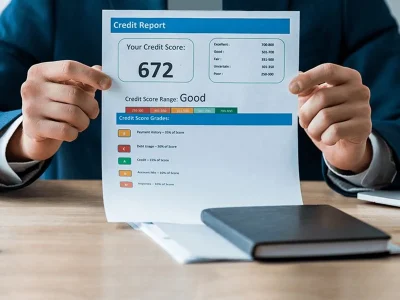
In the standard FICO scoring model ranging from 300 to 850, a score between 670 and 739 is considered good, 740 to 799 is very good, and 800 or above is exceptional. Most prime interest rates and premier financial products become fully accessible once a borrower crosses the 740 threshold.
How does credit utilization affect a credit score even if balances are paid off monthly?
Credit utilization measures the proportion of available revolving credit being used on statement closing dates. Even if a balance is paid in full before the due date, a high balance reported on the monthly closing date can temporarily lower your credit score. Keeping utilization below ten to thirty percent across all accounts maintains a strong rating.
Do employers see exact credit scores when running pre-employment background checks?
No. Employers receive a modified employment credit report that shows payment history, outstanding balances, debt collections, and bankruptcies. This background report does not show the actual three-digit credit score, nor does an employment credit check count as a hard inquiry against your profile.
How long does negative financial information remain on a credit report?
Most negative marks, including late payments, collection accounts, foreclosures, and repossession records, remain on your credit history for seven years from the date of the initial delinquency. Chapter 7 bankruptcies remain visible on credit files for up to ten years.
Can an individual build strong credit without ever paying interest charges on debt?
Yes. Using a credit card for routine everyday purchases and paying the statement balance in full every single month before the grace period ends builds a positive credit history without incurring a single cent in interest charges.
Why do some insurance companies charge higher rates to individuals with lower credit scores?
Actuarial research shows a strong statistical correlation between credit management habits and insurance loss ratios. Insurance underwriters have found that policyholders with lower credit-based insurance scores tend to file more frequent and costlier claims, prompting insurers to adjust premium tiers accordingly in states where this practice is legally permitted.
How does closing an old credit card account affect a good credit profile?
Closing an established credit card account reduces your total available credit limit, which can immediately increase your overall credit utilization ratio. Over time, it can also lower the average age of open accounts, which may cause a modest decline in your overall credit score.







Comments