
 By
By 
Navigating the financial system for the first time can feel overwhelming, especially when trying to understand how credit works. In the United States, credit is not just a tool for borrowing money; it is a fundamental pillar of personal finance. A credit profile affects your ability to rent an apartment, buy a car, secure a mortgage, sign up for cell phone plans, and even land certain jobs.
Learning proper credit management early gives you a significant financial advantage. By building healthy financial habits from the start, you avoid costly debt cycles, minimize interest charges, and establish a foundation that supports your long-term life goals.
Understanding the Core Components of a Credit Score
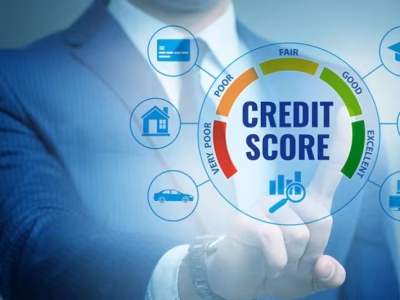
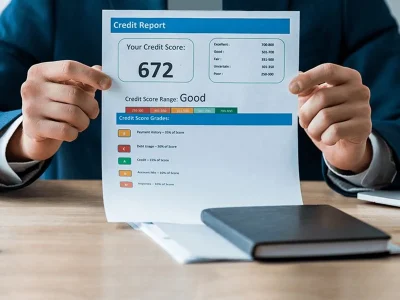
Before managing credit effectively, you must understand what makes up your credit profile. Most lenders in the United States use the FICO scoring model, which ranges from 300 to 850 points. Scores are calculated using five distinct categories, each weighted differently.
-
Payment History (35 percent): This is the single most influential factor. It tracks whether you make payments on time, miss due dates, or enter default.
-
Amounts Owed and Credit Utilization (30 percent): This reflects the total debt you carry relative to your available credit lines, particularly on revolving accounts like credit cards.
-
Length of Credit History (15 percent): This measures how long your accounts have been open, including the age of your oldest account and the average age of all accounts combined.
-
New Credit (10 percent): This accounts for recently opened accounts and hard credit inquiries made by prospective lenders.
-
Credit Mix (10 percent): This assesses the variety of credit types you manage, such as installment loans, auto loans, mortgages, and revolving credit cards.
Understanding these proportions helps you prioritize your actions. For instance, paying on time and keeping debt levels low collectively make up nearly two-thirds of your overall credit score.
Starting Your Credit History with the Right Starter Products
Individuals with no prior borrowing history face a common dilemma: you need credit to build credit, but lenders hesitate to approve applicants without an established track record. Fortunately, several specialized financial products are designed specifically for beginners.
-
Secured Credit Cards: A secured card requires an upfront refundable cash deposit, which typically serves as your credit limit. You use the card for routine purchases, pay off the balance monthly, and the issuing bank reports your positive payment activity to the major credit bureaus.
-
Credit Builder Loans: Offered primarily by credit unions and community banks, these loans do not provide cash upfront. Instead, your monthly payments are placed into an interest-bearing savings account or certificate of deposit. Once the loan term concludes, the lender releases the funds back to you while reporting your on-time payments.
-
Authorized User Status: A family member with an established, well-maintained credit card can add you as an authorized user. The account’s positive payment history and credit line are often added to your credit file, giving your score an early boost without requiring you to carry debt.
Developing Non-Negotiable Payment Discipline
Payment history is the backbone of credit scoring models. Even a single payment that is thirty days past due can cause a significant decline in a beginner’s credit score and remain visible on your record for up to seven years.
To ensure payments are never missed, implement a systematic repayment strategy.
-
Set Up Automatic Minimum Payments: Configure autopay on every account for at least the minimum amount due. This provides a safety net against missed due dates caused by travel, busy schedules, or simple oversight.
-
Pay the Full Statement Balance Every Month: While paying the minimum prevents late fees and negative credit marks, paying the full statement balance avoids revolving interest charges entirely. Treat your credit card like a debit card by only spending funds you currently have in your checking account.
-
Align Billing Cycles with Paydays: Many credit card issuers allow cardholders to adjust their monthly payment due dates. Moving your due dates to fall right after your regular paydays ensures cash is available to clear balances immediately.
Mastering the Mechanics of Credit Utilization
Credit utilization measures the ratio of your outstanding revolving balance to your total credit limit. If you have a credit card with a one thousand dollar limit and carry a balance of three hundred dollars, your utilization rate is thirty percent.
Underwriters prefer to see lower utilization ratios because high utilization suggests financial distress.
-
Follow the Thirty Percent Guideline: As a general rule, never let your reported balance exceed thirty percent of your total available credit.
-
Target Single-Digit Utilization for Optimal Scores: While thirty percent is the standard ceiling, maintaining an overall utilization rate between one and nine percent produces the highest credit score gains.
-
Make Mid-Cycle Payments: Credit card companies report balances to credit bureaus once a month, usually on your statement closing date. Making payments before this closing date lowers the balance reported to the bureaus, keeping your reported utilization low even during months of higher spending.
Strategic Timing for New Credit Inquiries
Whenever you submit a formal application for a credit card, auto loan, or personal line of credit, the lender performs a hard credit pull. Hard inquiries temporarily lower your score by a few points and remain on your report for up to twenty-four months.
-
Limit Frequent Applications: Submitting multiple credit applications within a short window signals risk to potential lenders. Space out applications by at least six months whenever possible.
-
Understand Rate Shopping Windows: When shopping for installment products such as auto loans, student loans, or mortgages, credit scoring models bundle multiple inquiries of the same type within a fourteen-to-forty-five-day window into a single inquiry to avoid penalizing consumers for rate comparisons.
-
Avoid Unnecessary Retail Store Cards: Department store and retail store cards often feature very high interest rates and low credit limits, making it easy to accidentally spike your utilization ratio.
Regularly Monitoring and Protecting Your Credit Files
Credit reports frequently contain administrative errors, outdated data, or fraudulent accounts resulting from identity theft. Monitoring your files regularly ensures that errors are identified and corrected promptly.
| Credit Management Action | Recommended Frequency | Strategic Purpose |
| Check Bank and Card Statements | Weekly | Spot unauthorized transactions and track recurring expenses |
| Pull Comprehensive Credit Reports | Quarterly | Verify accuracy across all open accounts and public records |
| Review Credit Score Estimates | Monthly | Track overall progress and identify sudden, unexplained dips |
| Perform Account Audit | Annually | Review interest rates, rewards structures, and unused credit limits |
In the United States, federal law guarantees access to free annual credit reports from each of the three major national credit bureaus: Equifax, Experian, and TransUnion. Staggering your requests across the three bureaus throughout the year allows you to review your information consistently without paying third-party monitoring fees.
If you spot inaccurate data, file a formal dispute directly with the reporting bureau and the issuing institution. Under federal regulations, bureaus must investigate and resolve verified reporting errors within thirty days.
Frequently Asked Questions
Does checking my own credit score lower my points?
No. Checking your own credit score or pulling your own credit report is classified as a soft inquiry. Soft inquiries have zero impact on your credit score and can be conducted as frequently as you like without penalty.
How long does it take for a beginner to generate their first official credit score?
Under the FICO scoring model, you need at least one account that has been open and actively reporting data for a minimum of six months. Some alternative models, such as VantageScore, can generate a score within a few weeks of your first reported account activity.
Is carrying a small balance month to month necessary to build a good score?
No, this is a widespread financial myth. Carrying a revolving balance from month to month does not improve your credit score; it only incurs expensive interest charges. Paying off your entire statement balance every month builds credit just as effectively while costing you nothing in interest.
What should you do if an application for a starter card is denied?
Review the Adverse Action notice that the lender is legally required to send you. This document details the exact reasons for the rejection. Address the underlying issues, check your report for reporting errors, and consider applying for a secured credit card or a credit builder loan instead.
Does closing an old, unused credit card hurt your credit profile?
Yes, closing an old account can negatively impact your score in two ways. First, it eliminates the available credit line from that card, which instantly raises your overall credit utilization ratio. Second, it will eventually lower the average age of your accounts once the closed account falls off your credit report after several years.
How does co-signing a loan affect a beginner’s credit responsibilities?
Co-signing makes you equally and legally responsible for the entire debt. If the primary borrower misses payments or defaults, the delinquent marks appear directly on your credit report, and the lender can pursue you for immediate repayment.
Why do different credit monitoring apps show slightly different scores on the same day?
Different services use different scoring models, such as FICO Score 8, FICO Score 9, or VantageScore 3.0. Additionally, services may pull data from different credit bureaus, which may hold slightly different reporting records depending on which bureaus your creditors report to.






Comments