
 By
By 
Forex trading, short for foreign exchange trading, is the practice of buying and selling currencies to profit from fluctuations in exchange rates. As the largest and most liquid financial market in the world, forex trading influences global economics, international trade, and investment strategies. Unlike stock markets, the forex market operates 24 hours a day, five days a week, providing traders and institutions with continuous opportunities to manage risk, speculate, and optimize returns.
Understanding forex trading requires an in-depth exploration of market mechanics, trading strategies, risk management, technical and fundamental analysis, and the regulatory landscape. This article provides a detailed, evidence-backed guide for individuals seeking to engage in forex trading at a professional or advanced level.
What is Forex Trading?
Forex trading involves the simultaneous purchase of one currency and sale of another in currency pairs. These pairs, such as EUR/USD or USD/JPY, represent the relative value between two currencies. Profits are generated when a currency’s value changes relative to its counterpart.
Key aspects of forex trading include:
- Decentralized Market Structure: Unlike centralized exchanges, forex operates over-the-counter (OTC), with transactions executed electronically between global participants.
- High Liquidity: Daily trading volumes exceed $6 trillion, providing smooth entry and exit from positions.
- Global Accessibility: Traders from different time zones can participate continuously, leveraging market hours across Asia, Europe, and North America.
- Leverage Options: Brokers offer leveraged trading, allowing traders to control large positions with smaller capital investments, although this increases risk exposure.
Forex trading is not merely speculative; it serves practical functions such as hedging against currency risk and facilitating international trade.
Understanding Currency Pairs
In forex trading, currencies are quoted in pairs, and understanding their structure is critical:
Major Pairs
These involve the most traded currencies globally:
- EUR/USD: Euro against U.S. Dollar
- USD/JPY: U.S. Dollar against Japanese Yen
- GBP/USD: British Pound against U.S. Dollar
- USD/CHF: U.S. Dollar against Swiss Franc
Major pairs account for the majority of trading volume and typically exhibit lower spreads, making them attractive to professional traders.
Minor and Cross Pairs
- Minor Pairs: Combinations like GBP/JPY or EUR/CHF, excluding the U.S. Dollar.
- Cross Pairs: Currency pairs that do not involve USD but combine other major currencies. These pairs may have higher volatility and larger spreads.
Exotic Pairs
Exotic currency pairs combine a major currency with that of an emerging or smaller economy, such as USD/TRY (U.S. Dollar/Turkish Lira). Exotic pairs are less liquid and more volatile, offering higher profit potential but increased risk.
Types of Forex Trading Strategies
Successful forex trading requires well-structured strategies based on market analysis and risk management. Strategies vary in time horizon, complexity, and objectives.
1. Day Trading
Day traders open and close positions within a single trading day to capitalize on short-term market movements. This approach requires:
- Real-time monitoring of market news and price movements
- Rapid execution of trades to exploit volatility
- Tight risk management through stop-loss and take-profit orders
2. Swing Trading
Swing traders hold positions from several days to weeks to benefit from medium-term trends. Key aspects include:
- Technical analysis to identify entry and exit points
- Trend-following indicators such as moving averages or MACD
- Patience and discipline in waiting for market confirmations
3. Scalping
Scalping focuses on very short-term trades, sometimes lasting seconds or minutes, to exploit small price movements. Scalpers use:
- High-frequency trading platforms
- Tight spreads and fast execution speeds
- Strict risk controls due to frequent trades
4. Position Trading
Position traders maintain positions for months or even years based on macroeconomic trends. This strategy relies heavily on fundamental analysis, such as interest rates, GDP growth, or geopolitical events.
5. Carry Trade
Carry trades involve borrowing in a currency with low interest rates and investing in one with higher rates to earn the interest differential. This strategy is sensitive to market sentiment and global economic stability.
Technical Analysis in Forex Trading
Technical analysis examines historical price data to forecast future movements. Key tools include:
- Charts and Patterns: Candlestick, bar, and line charts reveal market behavior. Patterns like head and shoulders or double tops indicate potential reversals.
- Indicators: Moving averages, Relative Strength Index (RSI), Bollinger Bands, and Fibonacci retracement levels help traders identify trends and momentum.
- Support and Resistance Levels: Identifying price levels where currencies historically find buying or selling pressure guides entry and exit points.
Technical analysis is particularly crucial for short-term strategies, including day trading and scalping.
Fundamental Analysis in Forex Trading
Fundamental analysis evaluates economic and geopolitical factors influencing currency values. Major factors include:
- Interest Rates: Central bank policies directly affect currency strength and market expectations.
- Economic Indicators: GDP growth, employment data, inflation, and trade balances signal a country’s economic health.
- Political Stability: Elections, policy changes, and geopolitical conflicts can generate volatility.
- Global Events: Natural disasters, pandemics, or international trade agreements impact currency valuations.
Combining fundamental and technical analysis often provides traders with a more robust decision-making framework.
Risk Management in Forex Trading
Forex trading carries significant risk, especially with leveraged positions. Effective risk management strategies include:
- Setting Stop-Loss Orders: Automatically closing positions at predefined loss levels.
- Position Sizing: Allocating capital to prevent excessive exposure on any single trade.
- Diversification: Trading multiple currency pairs to reduce concentration risk.
- Leverage Control: Using leverage prudently to balance potential returns and losses.
- Continuous Learning: Staying updated on market developments and refining strategies to adapt to changing conditions.
Risk management is often the difference between sustained success and catastrophic loss in forex trading.
The Role of Brokers and Trading Platforms
Brokers facilitate access to the forex market and provide tools for trading, analysis, and execution. Key considerations for selecting a broker include:
- Regulation: Ensuring the broker is licensed by reputable authorities like the SEC, CFTC, or FCA.
- Trading Platform Features: Availability of charting tools, indicators, order types, and automated trading options.
- Spreads and Commissions: Low-cost execution enhances profitability.
- Leverage Offerings: Must align with risk tolerance and trading strategy.
- Customer Support: Efficient support is critical for technical or transactional issues.
Popular platforms like MetaTrader 4/5, cTrader, and proprietary broker platforms cater to varying levels of expertise and trading styles.
Common Challenges in Forex Trading
Despite its potential, forex trading presents challenges:
- High Volatility: Currency prices can change rapidly due to market sentiment or global events.
- Leverage Risk: High leverage magnifies both gains and losses.
- Market Overload: Traders face an abundance of news and data, which can lead to decision fatigue.
- Emotional Control: Fear and greed can compromise rational decision-making.
- Unregulated Entities: Inadequate oversight in certain regions increases the risk of scams or malpractice.
Addressing these challenges requires discipline, continuous education, and a structured trading approach.
Emerging Trends in Forex Trading
The forex market continues to evolve with technology and market innovation:
- Algorithmic Trading: AI-powered algorithms execute trades based on predefined criteria, improving efficiency and minimizing human error.
- Social Trading Platforms: Traders can observe, copy, and learn from successful peers globally.
- Cryptocurrency Integration: Some brokers offer crypto pairs alongside traditional currencies, expanding trading opportunities.
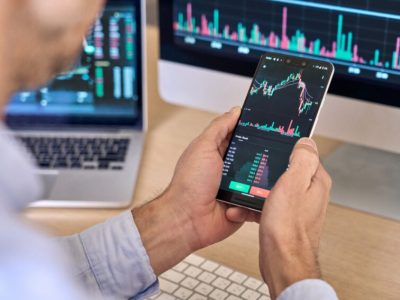
- Mobile Trading: Smartphones and apps allow traders to monitor positions and execute trades from anywhere.
- Sustainable Investment Considerations: Increasing attention on ESG factors in investment decisions affects currency flows linked to global projects.
These trends reflect the growing sophistication and accessibility of forex trading.
Conclusion
Forex trading is a dynamic and multifaceted field that requires in-depth knowledge of currency markets, analytical tools, risk management, and strategic planning. By understanding market mechanisms, mastering both technical and fundamental analysis, and implementing disciplined trading strategies, traders can harness the potential of the forex market while mitigating inherent risks. With continuous education, proper use of technology, and adherence to best practices, forex trading remains a viable and sophisticated avenue for generating wealth and managing global financial exposure.
FAQs About Forex Trading
What is leverage in forex trading, and how does it work?
Leverage allows traders to control larger positions with smaller capital. For example, 50:1 leverage lets a trader manage $50,000 with $1,000. While it amplifies profits, it also increases losses proportionally.
What are the best times to trade forex?
Optimal trading times coincide with market overlaps, such as the London-New York session (8 AM–12 PM EST), which typically exhibit higher liquidity and volatility.
How do economic indicators affect currency values?
Indicators like GDP, inflation, employment data, and central bank interest rate decisions influence investor perception and demand for a currency, impacting its exchange rate.
Is forex trading suitable for long-term investment?
While some position traders use fundamental analysis for long-term strategies, forex is predominantly a short-term trading market due to high volatility.
How can traders manage emotional risk?
Traders should adhere to predefined strategies, use risk management tools like stop-loss orders, and maintain discipline to avoid decisions driven by fear or greed.
What role do brokers play in forex trading?
Brokers provide access to the forex market, trading platforms, analytical tools, and execution services. Choosing a regulated and reliable broker is essential for security and efficiency.
Can beginners trade forex successfully?
Beginners can trade successfully with education, disciplined practice on demo accounts, understanding of risk management, and gradual capital allocation.
This comprehensive analysis demonstrates that forex trading is a sophisticated and high-stakes financial practice, demanding knowledge, strategy, and discipline to navigate global currency markets effectively.






Comments